
Classrooms as Shelters: Practical or Inadvisable?
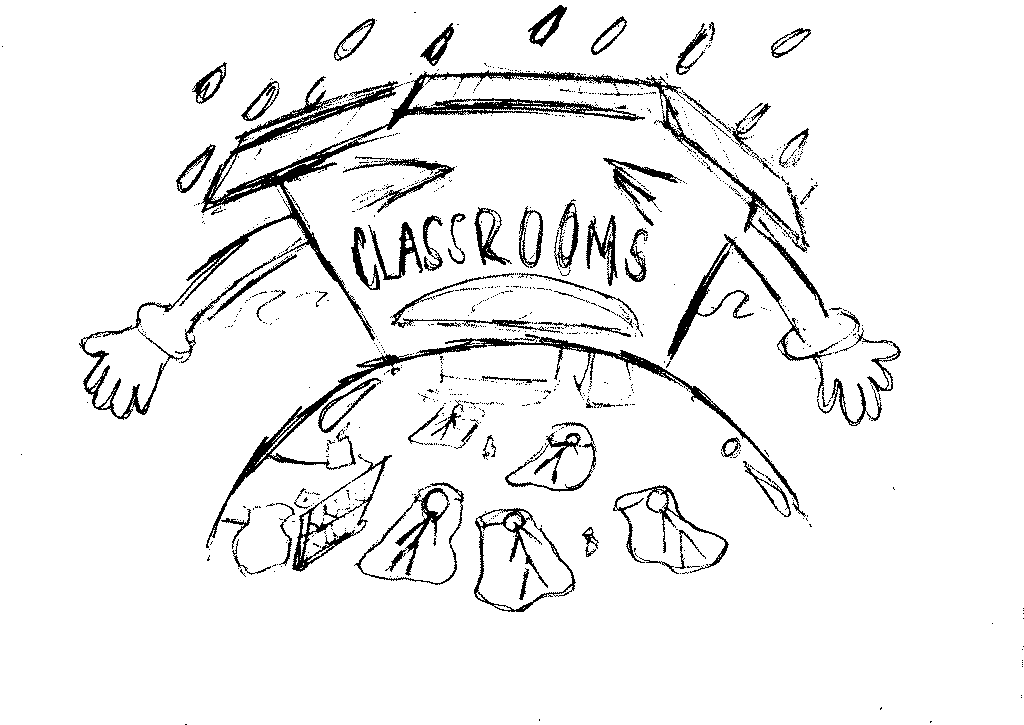
Classrooms are safe places for kids to learn and engage, however, can these still be called safe spaces if their safety is not assured? A classroom is small and cramped but it’s where the learning blossoms—only if it’s not hindered. A place that allows the minds of the youth to grow and expand. Even in a simple room, the growth of the youth still relies on the quality of education within it. However, during the recent typhoon Tino, classrooms were used as evacuation centers-which created a disruption to the learning of students. This initiative, may reduce the costs for evacuation centers, the health of the youth remains at risk.
At times of typhoons, classrooms are the go-to evacuation centers of victims. Government officials are partnering with schools and universities for temporary evacuation centers. With the aim of providing a temporary shelter with the essential needs of the evacuees-offering comfort to the victims.
However, school buildings and facilities were not made to accommodate evacuees. These initiatives cause a hindrance to the learning of youth while also endangering their health. In a country where classrooms are not in good quality, the learning of the youth is hindered. Parents exert money and effort just to ensure their children get a good quality of education and facilities. But learning and safety are now hindered by the state of their classrooms; lacking proper sanitation, insufficient amenities, and diseases that may linger afterwards. Offering help for those in need would be a good initiative if it does not risk the safety of students.
Building emergency shelters will provide comfort for the evacuees which may also guarantee well-equipped materials that can accommodate their needs. The disaster response must be improved to ensure that there will be no hindrance to the learning of the youth. Dedicated facilities and services can provide safety in the community and alleviate the quality of aid for the people.Investing in emergency shelters will improve the quality of resilience inside a community. Assuring the safety of the youth while also aiding the needs of disaster victims. Constructing facilities designed to withstand natural disasters can lessen the victims. Making use of people’s money creates space spaces where their safety is assured, without any hindrance.

The Invisible Inventory: Unmasking the Controversy
The archipelago nation, Philippines, is not just drowning from flood waters but also from ghost projects. Flood controls have been a major focus in the country as it has been a long-standing problem that has already caused great disruptions to the country. Administrations have been launched by agencies, yet the problem remains, but now, it came along with controversies and issues.
Dams, dikes, drainage systems, and pumping stations have been built to reduce the problem. Some of these have also been criticized for the negative impacts that it brings to the community—making it harmful rather than helpful. Government officials launched new flood control projects from time to time to ensure the safety of the residents. Creating infrastructures year by year to improve the challenges faced by people.
However, people don’t need new insufficient infrastructures yearly. Strengthening is what these projects need-creating plagued projects will only waste the taxes of people. Meticulous planning must be done in order for these projects to deliver their causes. Proper handling of money is also a need to reduce the issue that the people experience even with the slightest flooding.
Improved planning and management lead to more resilient and sustainable projects. Up to date constructions can produce solutions and help mitigate the effects and impacts of natural disasters. The concerns of residents must also be raised to deliver the results they need—leading to initiatives that raise public satisfaction.
Flood control projects control the condition of residents at times of natural disasters, having the full control on how people can survive when challenges arrive. The long-standing project must be raised and fixed, problems will be fixed if officials provide a solution that’s not extraordinary, but one that’s constructed whole-heartedly.
Intellectualized AI: Journey towards Growth or Avoidance?
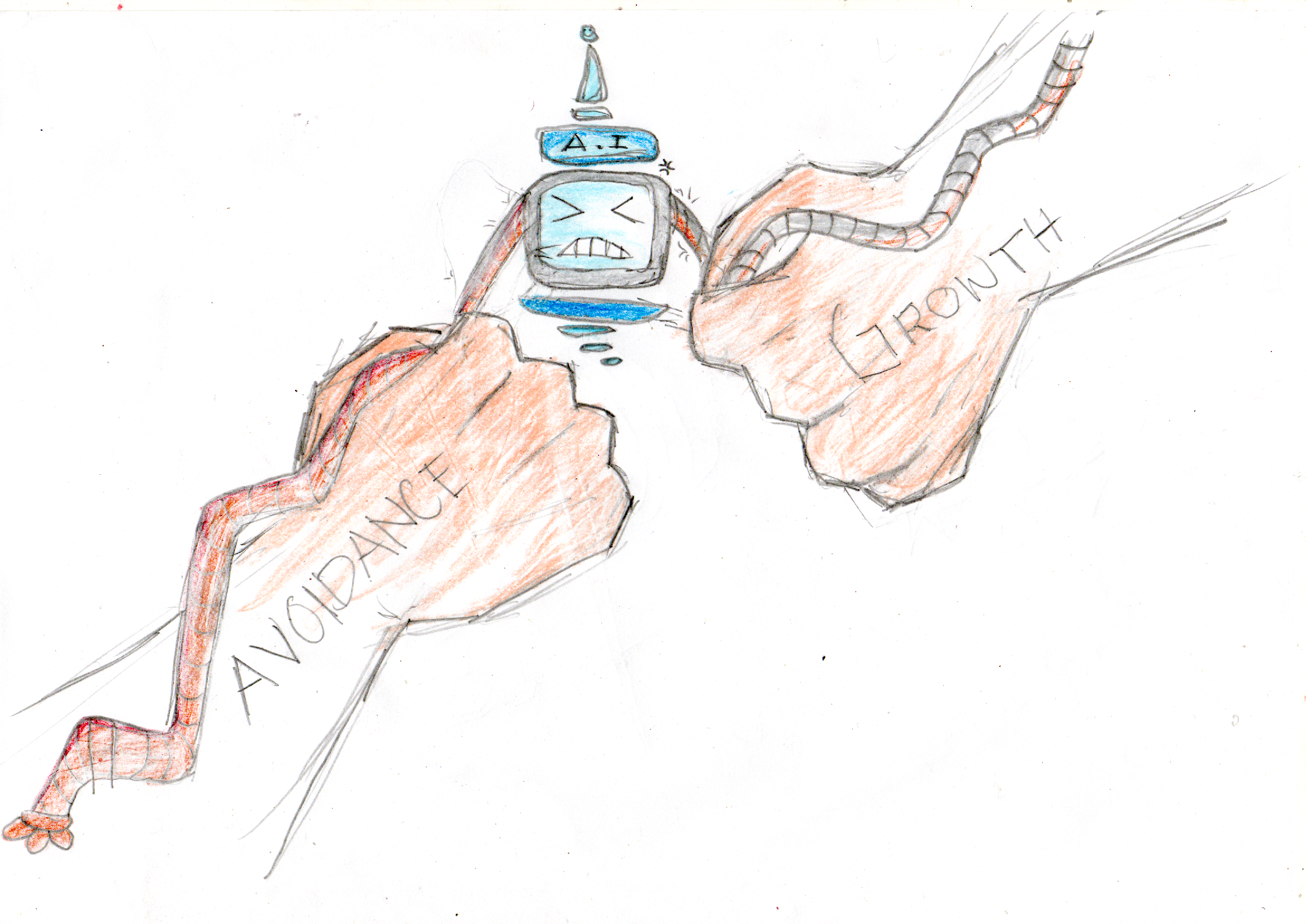
Artificial Intelligence, to others, is a “best friend” who will mask up their irresponsibility and apathy. Someone who can help them get through anything without learning it the hard way. In our current generation, overreliance on Ai tools has become an undisputed norm in every section. This realization came into mind when I caught my English teacher using AI and when I confronted her, she just laughed and joked about overreliance on AI saying “everyone does it anyway”. The jokes and suspicions in every school activity have been a normal pastime inside every classroom that everyone just laughs it off. Teachers, respected personnel, have also been the ones to make jokes for a comfortable and fun atmosphere – failing to see how their constant joking risks normalizing a culture of intellectual avoidance. This comfort, however, is a disservice; it replaces the necessary discomfort of academic struggle with the easy complicity of a joke.
Teachers are the students’ mentors and the discipline they install to the students carries a great weight to the future of students. Teachers influence the beliefs and system inside a small classroom consisting of different personalities when it comes to education and these learnings will continue to be carried out by us, the students. These are the jobs that are expected of teachers whom we look up to.
However, how can we truly say that they have done their part? With the issues about overreliance of Ai tools still ongoing, some have decided to ignore the guilt and let the cheating continue. Jokes are normalized by teachers – aiming to be a comforting teacher rather than a righteous one. The problem is that teachers aren’t supposed to give us comfort in our wrongdoings – their job is to correct us. Comfort is not the goal but growth is.
The practices that normalize overreliance on Ai tools are also supported by teachers. Keeping silent feedback is just the same as tolerating. Not taking any actions while making jokes about the issue is just the same as supporting cheating. This shouldn’t be a casual constant in a classroom where we must bloom and grow. Growth is not achieved by fraud.
Overreliance on Ai tools and letting them do the work is not the anticipated action that we must undertake. Normalizing jokes about the issue is not the expectation of teachers who are supposed to help and guide us. Thinking that these actions will create a peaceful connection that doesn’t have to deal with the consequences of anything is a wrong belief. True success comes from the spark of inquiry and the path to intellectual adventure – not through achievements that have not been proudly earned by us.